When monsoon arrives in Odisha, many homeowners assume that solar panel installation should be postponed until the weather becomes clear. Frequent rain, cloudy skies and wet rooftops can make solar installation seem inconvenient.
But monsoon does not necessarily mean you have to wait to go solar.
In fact, this can be a useful time to research your options, evaluate your rooftop and choose the right solar vendor near me for a professional installation.
Does Solar Work During Monsoon?
One of the most common misconceptions is that solar panels stop producing electricity when it rains.
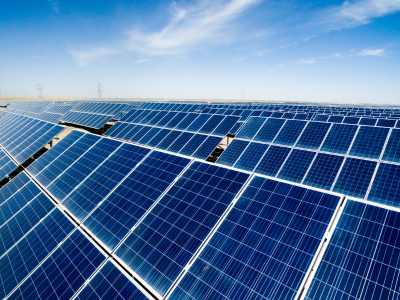
Solar panels generate electricity from daylight, not simply from direct sunshine. Therefore, they can continue producing electricity during cloudy weather, although their output may be lower than on bright sunny days.
The important point is that solar performance depends on the overall system design, local weather conditions, panel quality and installation quality.
This makes choosing the right solar company more important than simply choosing the lowest installation price.
Why Local Solar Expertise Matters
When homeowners search online for a solar vendor near me, they are often looking for convenience. But proximity should not be the only consideration.
A good local solar vendor should understand the area’s weather, rooftop conditions, electricity requirements and installation process.
For customers in Bhubaneswar and across Odisha, working with a locally established company can make communication, site inspection and after-sales service easier.
OMM Energy Solutions is based in Khandagiri, Bhubaneswar, and provides residential rooftop solar installation along with consultation, system design, installation, net-metering support and maintenance.
What Should You Check Before Choosing a Solar Vendor?
Before selecting a company, homeowners should look beyond advertisements.
1. Check Installation Experience
Solar panels are a long-term investment. The installation should be carried out by trained professionals who understand electrical safety, rooftop positioning and system integration.
2. Ask About the Site Survey
A professional company should inspect your property before recommending a system.
The survey can identify available roof space, shading, orientation and other factors that can influence solar generation.
3. Understand the Complete Cost
Ask for a clear quotation covering the major components of the project. A transparent quotation makes it easier to understand what you are actually paying for.
4. Ask About Subsidy Assistance
If you are eligible for the PM Surya Ghar scheme, understanding the documentation and application process is important.
OMM Energy Solutions states that it provides support for subsidy documentation and the related solar installation process.
5. Don’t Ignore After-Sales Service
Installing solar is only the beginning.
Your solar company should remain available for maintenance, troubleshooting and system support. OMM Energy Solutions offers long-term maintenance and after-sales support as part of its solar services.
Is Monsoon a Bad Time to Install Solar?
Not necessarily.
Installation schedules may depend on weather and site conditions, but waiting solely because of the monsoon may not always be necessary. A professional team can assess whether the rooftop is suitable and determine an appropriate installation schedule.
OMM Energy’s rooftop solar service highlights an end-to-end approach from survey and system design to installation, subsidy assistance and net-metering support.
Choose the Vendor, Not Just the Panel
Many customers focus heavily on panel brands and prices. These are important, but the quality of the installation and service support also matters.
A well-designed system installed correctly can provide more confidence over the long term than a cheaper system installed without proper planning.
So, if you are searching for the best solar vendor near me in Bhubaneswar or Odisha, compare experience, installation quality, subsidy support, product options, warranties and after-sales service before making your decision.
The monsoon may bring clouds and rain, but it does not have to stop your plans for a cleaner and smarter energy future.